Mostrando entradas con la etiqueta comida. Mostrar todas las entradas

viernes, 13 de octubre de 2017

CACAO, UN VIAJE A LAS TRADICIONES HMONG EN MITAD DE GUAYANA FRANCESA.

Cacao es una pequeña población de la comuna de Roura. Su pasado, como muchos lugares de Guayana Francesa, es haber acogido dos centros penitenciarios, Bagne de Sainte Marie y Bagne de Sainte Agustin ambos abandonados sobre el 1859 por las epidemias reinantes en la zona, como la fiebre amarilla.
Pero la historia reciente de este enclave viene ligada con la llegada de los refugiados Hmong, un pueblo originario de China, Laos y Vietnam. Durante la Guerra de Indochina los Hmong fueron aliados de los franceses, así como de los norteamericanos durante la Guerra de Vietnam. Muchos de los Hmong colaboracionistas tuvieron que huir años mas tare de las Guerrillas de Laos y Vietnam a la vecina Tailandia.
Catalogados como refugiados políticos por la Naciones Unidas, en 1977, un grupo de unos 10.000 Hmong son acogidos por Francia y muchos de ellos enviados al Departamento de Ultramar de Guayana Francesa.
Se les recibe y envía a pequeñas poblaciones donde poder comenzar una nueva vida, ligada a sus costumbres y a la agricultura, fomentando así su desarrollo en esta región.
Cacao es hoy gracias a la presencia y tenacidad de los agricultores Hmong el mayor productor de verduras y hortalizas de toda Guayana Francesa, convirtiendo su mercado dominical en una cita obligada tanto para los locales como los visitantes a Guayana. 
Cacao ironicamente se convierte ahora en una escapada rumbo a Asia, hacia las tradiciones culturales y gastronómicas de los Hmong en mitad de Guayana Francesa.




(EN)
Cacao´s story, like it´s the case with  most of the places in Guiana, begins with prisoners. Where the village is located now, a cacao plantation of Sainte Marie has been founded and very soon got divided. The administration of a new penitentiary camp, Sainte Marie, occupied the site. Then they bought the nearby dwelling with the belonging terrain and opened another penitentiary center of Saint Augustin. Both didn´t last very long- only around ten years. In 1859, after several empidemics before, a yellow fever outburst ended the penitentiary chapter of this place, as the camps got totally abandoned.
But it´s not the end of the interesting history of Cacao. In 1977 the site was given to the Hmong community, who live here ever since.
Hmongs are a nation that originates from China and still lives in the north of Vietnam, Laos, Burma and in China. We met them in Mai Chau, Vietnam.  The Hmongs took the side of US in the Vietnam war and were also pro french in the Indochina conflict. When the US soldiers and french army were gone from the occupied countries, the Hmongswere also forced to flee from the reprecutions of their alliance. This is how the Hmong refugees from Laos arrived in French Guiana in the late 70-ties (somehow it seemed a better solution for  the french government to resettle them to the abandoned regions of French Guiana, then let them stay in the metropolitan area... but you be the judge.... ).

Today the village has around a thousand inhabitants and the Hmongs are the regions most capable agriculturers (and basically tho only ones). Most of the local vegatables in Guiana really come from around Cacao!
Every sunday the Hmongs hold their weekly farmers market... a really cool one.  Both the village and the market are rather on the small side, but it´s definately worth to go all the way there (which is curvy roads and many kilometers of pure jungle away from everything).
Our first impression was actually a huge confusion. Here we were, in the middle of amazon forest but still felt like we were back in Asia! Same faces, same artisany, same food, same smells....
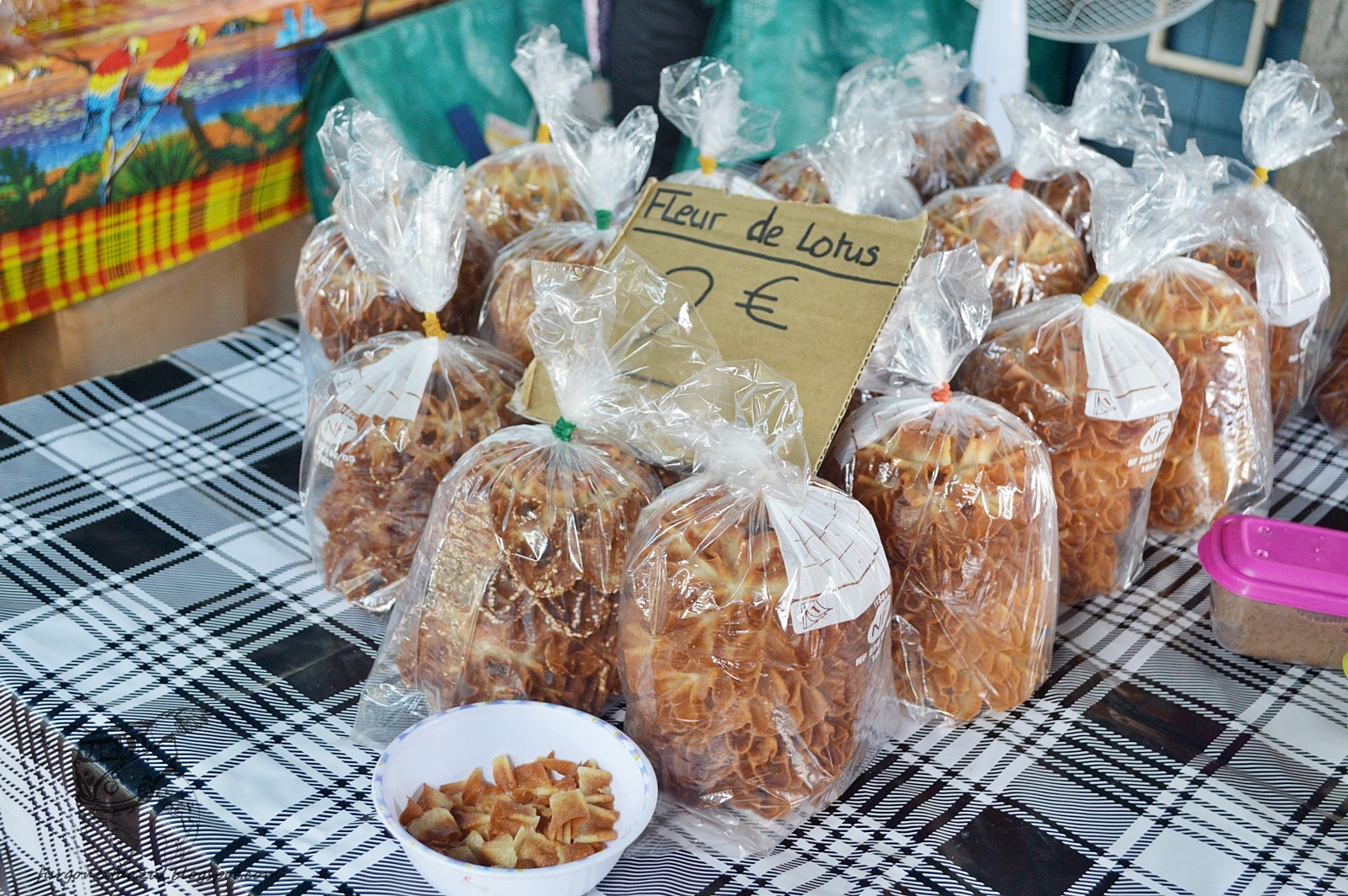
We enjoyed this little travel in space and time to our asian journey. The food is delicous and REALLY tastes the same as in Laos or Vietnam. Its a tiny veggie paradise with all imaginable snacks and bubble teas. Also the small village is kind of adorable, with wooden houses built in SE Asian style. There is a pottery workshop you can visit and also an isect museum, which Hector was more then pleased to visit. And last but not least... the views. Arriving in Cacao you will see some magnificent, breathtaking landscapes...

***************************************
(PL)
Historia wioski Cacao zaczyna się w podobnym punkcie, co większość gujańskich historii. Na początku byli więźniowie. Nazwa Cacao pochodzi od plantacji kakao, która szybko znalazła się w rękach więziennej administracji obozu penitencjarnego Sainte Marie, a wkrótce również pobliska posiadłość Saint Augustin stała się częścią plantacji i więzienia. Ośrodek nie zagrzał jednak na tym terenie miejsca na długo. Epidemię, szczególnie wielka epidemia żółtej febry, skutecznie przegoniła stąd wszystkich mieszkańców. Cacao opustoszało w połowie XIXw.

Jednak historia Cacao tutaj się nie skończyła. To odległe miejsce w środku dżungli oddano w 1977 roku do dyspozycji politycznym uciekinierom z Laosu.
Dziś Cacao jest znane jako wioska Hmong. Hmong są pochodzącą z Chin nacją, która od kilkuset lat mieszka w górzystych regionach południowo wschodniej Azji. Dziś zamieszkują północ Wietnamu(gdzie mieliśmy kazje ich spotkać w Mai Chau), Laosie, Chinach i Tajlandii.
Hmongowie poparli armię USA podczas wojny w WIetnamie oraz stanęli po stronie Francuzów podczas upadku Indochin. W wyniku tych wyborów zostali zmuszeni do ucieczki przed zemstą opozycji. Azylu udzieliły im zarówno Stany Zjednoczone jak i Francja.... która zdecydowała, że najlepszym miejscem do osiedlenia dla politycznych azylantów będzie zapomniane przez wszystkich leśne terytorium w Gujanie Francuskiej- czyli Cacao.
Hmongom udało się na szczęście przekształcić to polityczne wygnanie w coś pozytywnego. Ciężko pracą na naprawdę niezdatnej pod agrykulturę ziemi, udało im się stowrzyc małe warzywne imperium. Dziś są to tutaj główni(i praktycznie jedyni) producenci lokalnych warzyw i owoców.

Co niedzielę odbywa się w Cacao lokalne targowisko, gdzie można kupić zarówno świeże warzywa i owoce, jak i typowe azjatyckie smakołyki oraz tradycyjne rękodzieła Hmong.
Wioska jest nadal niewielka (niespełna tysiąc mieszkańców), więc i targowisko nie ma ogromnych rozmiarów. Jest to zaledwie kilka stoisk, przede wszystkim sezonowe plony, trochę tradycyjnie wykonanych tkanin i przedmiotów codziennego użytku, sadzonki i kilka stoisk z jedzeniem. Wrażenie natomiast jest ogromne.... bo nagle, jak za dotykiem magicznej różdżki, z amazońskich lasków przenosimy się do Laosu. Otaczają nas te same twarze, te same widoki i te same zapachy dochodzące z kuchni.... Bardzo to dezorientujące...taka niespodziewana podróż w czasie i przestrzeni!

Sama wioska zresztą jest urocza- większość budynków zrobionych jest w azjatyckim stylu, z drewnianych bali, ze spadzistymi dachami i rzeźbionymi drzwiami oraz okiennicami. Obiad można zjeść nad pobliskim strumykiem oraz odwiedzić lokalnego garncarza oraz muzeum insektów.
No i nie zapomnijmy o widokach. Zapieraja one dech w piersiach, bo Cacao jest naprawde pieknie polozone!

jueves, 7 de septiembre de 2017

KAMPUNG BARO-SARAMACCA, NUESTRA VIDA EN SURINAME.

Fuimos recibidos en Surinam por Tine y Frederick vía "couchsurfing" en Kampung Baro-Hamburg, en la comarca de Saramacca. Esta zona tranquila del país está situada a una hora de la capital, Paramaribo. 
Aquí pasamos 15 días de nuevas aventuras, donde de nuevo la hospitalidad tomó el protagonismo. La casa familiar estaba situada en las cercanías del río Saramacca, rodeados de bosques húmedos, zonas agrícolas y ganaderas.
Nuestra estancia aquí en casa de Tine y Frederick, estuvo en parte marcada por el trabajo de apoyo que les brindamos, al construir una futura tienda de semillas tropicales. Trabajos de carpintería, pintura y hasta de solador fueron los quehaceres en los que me vi envuelto en un contrato no escrito de cambio de mano de obra por comida y alojamiento, me convertí en el ayudante de mi hoy amigo Patrich. 
El resultado fueron nuevas experiencias y aprendizajes en mi caso y un lugar donde abrir un negocio en el caso de Frederick.
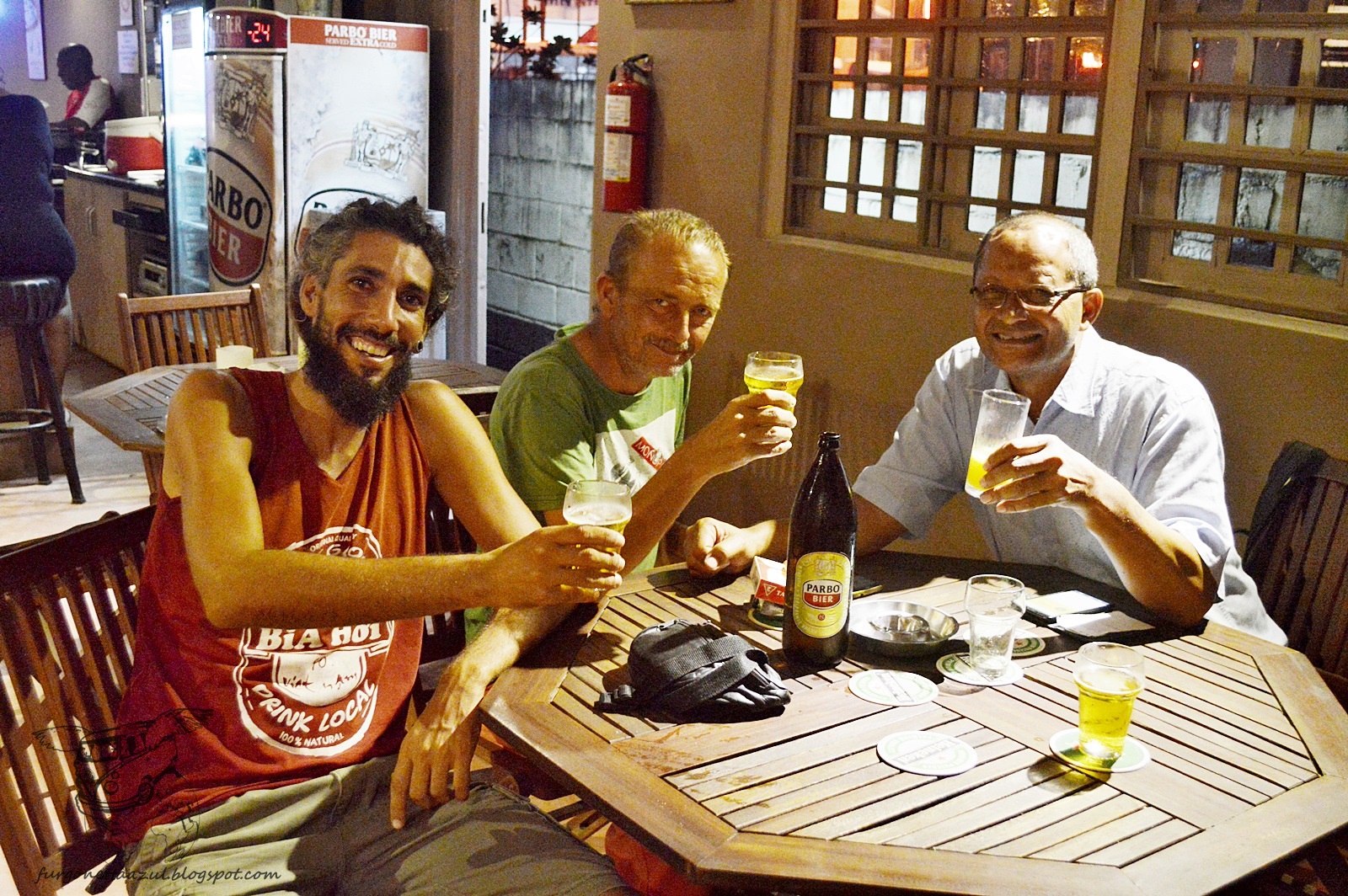
Pero también tuvimos tiempo para otras cosas, sobre todo sentarnos a comer y beber cervezas cada tarde en el porche de la casa entre tertulias y discusiones, tuvimos tiempo para pasear y disfrutar los paisajes, fuimos al cine, recorrimos los mercados de la zona, o fuimos de visita a ver a los vecinos. Pero sobre todo tuvimos tiempo para descubrir la esencia que esconde Surinam, en su mestizaje racial y cultural.
La generosidad de Tine y Frederick fue abrumadora, la amistad con Patrich fue enriquecedora y la tranquilidad del lugar mezclada con el aroma incondicional de la cultura javanesa, al ser Tine parte de esa comunidad, fueron sin duda los pilares de nuestra estancia.
¡¡¡Gracias por vuestra Hospitalidad!!!


(EN)
We were Tine and Fredericks (who is also known as Max) guests for around two weeks. Our CS hosts lived around an hour away from the capital, in a small village between Kampong Baro and Uitkijk in the Saramacca Province at the Saramacca River. It´s really in the middle of nowhere- just the way we love it!
Our hosts were just the best. They organized our time perfectly, from small and bigger trips to some food  tasting.... because...well it´s a must in Suriname and it was actually an emotional tasting, because it felt like beeing back in Southeast Asia with all these indonesian goodies available everywhere. And fresh tempeh almost made me cry teras of happiness ;)
Hector helped Frederick in garage renovation (alongside with family friend, Patrick), while I had the kitchen under my rule, and cooked for everyone. And Tine thought me to  do crochet, which became my new hobby;)
Those two weeks spent in Fredericks and Tines house were so nice, relaxing and calm. Just the right balance between doing new things and havinbg a daily routine. And off course- it was so lovely to share our time with them! Thank you for everything!!!!

***********************************************

(PL)

Caly nasz pobyt w Surinamie związany jest z naszymi hostami CS Tine i Frederickiem (znanym też jako Max). Byli oni naszymi gospodarzami  i przewodnikami po kraju przez ponad dwa tygodnie.
Organizowali nam wycieczki, zabierali na zakupy oraz tuczyli cudowną kuchnią pochodzenia jawajskiego.
Dom naszych hostów znajduje się w małej wiosce między Uitkijk i Kampong Baro, nad rzeką Saramacca, niecałą godzinę jazdy od stolicy. To taki koniec świata, w miejscowości otoczonej dżunglą i pastwiskami i pasącymi się na nich krowami. Ta okolica zamieszkana jest przede wszystkim  przez ludnośc pochodzenia Indonezyjskiego- a dokładniej Jawajskiego, tak jak przodkowie Tine. Frederick jest Holendrem, z korzeniami na wyspie Papua! Nie brakuje tu jednak też Chińczyków oraz potomków Hindusów, jest także mała wioska Amerindianska.
Hector, ramię w ramię z przyjacielem rodziny Patrickiem, pomógł w remoncie garażu, ja natomiast przejęłam władzę nad kuchnią oraz nauczyłam się od Tine szydełkować. 
Ulubionym wspólnym hobbym było dla nas jednak jedzenie.... bo dzięki niemu najbardziej poczuć można niezwykłość tego miejsca (i zupełnie zgubić poczucie jego geograficznej przynależności). Na naszym stole górowały jawajskie przysmaki, na widok których nie raz zakręciła mi się łezka w oku... no bo jak tu się nie wzruszyć mając dostęp do olbrzymich ilości świeżego tempeh robionego przez znajomych? Ech..
W skrócie: spędziliśmy ponad dwa spokojne tygodnie naprawdę delektując się czasem wspolnym z naszymi przemiłymi hostami, tucząc się multikulturową mieszanką kuchenna i od czasu do czasu odrywając się od tej przyjemnej rutyny zwiedzaniem. No i dodaliśmy do naszej majsterkowej listy kilka nowych manualnych technik i umiejętności.

viernes, 1 de septiembre de 2017

PARAMARIBO.

Varias fueron las ocasiones en las que recorrimos la capital de Surinam, Paramaribo, mas conocida en modo local como Parbo. 
Lo que nos llamó la atención de Paramaribo fueron por un lado el mestizaje cultural y por otro la arquitectura de tiempos coloniales. 
Fue en 1603 que los holandeses implantaron su primer puerto comercial en la zona, desde entonces británicos y holandeses se repartieron los años de dominio sobre esta ciudad y estas tierras, de lo que hoy es Surinam. Pero la impronta holandesa lo llena todo.
Paramaribo está situada a orillas del río Surinam, uno puede pasearse por el "Waterkant" recorriendo la parte del río en busca de comida local o simplemente deleitarse con lo que sucede en el río.
El centro de la ciudad tiene su epicentro en el "Onafhankelijkheidsplein" que quiere decir Plaza de la Independecia. Aquí se sitúan tanto el Palacio Presidencial como la Asamblea Nacional y en sus alrededores uno encuentra la Plaza de las banderas o el emblemático Parque de las Palmeras.
Otro de los puntos de interés es la visita obligada a "Fort Zeelandia", una fortaleza construida por los ingleses en el siglo XVII y que hoy alberga entre otras cosas el Museo Nacional de Surinam. Ademas esta fortaleza esta marcada por el encarcelamiento, tortura y fusilamiento de varias personas durante el conflicto civil-militar que marcó a Surinam en 1982. El actual presidente del país Desi Boutarde, fue quien estuvo al mando de aquella dictadura militar de los años 80.
En cualquier caso, Paramaribo está marcada por la impronta holandesa, los canales que recorren la ciudad y el país, recuerdan a los de los Países Bajos. Las casas de arquitectura "neerlandesa" abarcan una gran superficie de la ciudad, sobresaliendo en el centro histórico de la misma.
La ciudad cuenta con numerosos edificios religiosos, como mezquitas, sinagogas, templos hidús o iglesias, que combinado con el abanico étnico del país, conforman una ciudad multicultural en todos los aspectos.
Paramaribo no deja indiferente a quien la visita, mercados, plazas y calles concurridas dan vida a esta capital de Surinam.


De Keizerstraat Mosque and the Neveh Shalom Synagogue


(EN)
The old town of Paramaribo is absolutely stunning. It´s been on the UNESCO World Heritage Site for 15 years now, and the place there is well earned. The architecture is pretty harmonious, all colonial, wooden buildings, mostly painted in white. Many of them have been renovated (but there is still a lot left to do in that direction). The historical center is rather small- there is the part at the waterfront (Waterkant), where you can eat local food with the view on Suriname river, the II WW shipwreck  and Bosje Brug (The Jules Wijdenbosch Bridge). Than there is the more central part, with all of the official buildings and somwhere, hidden from the mainroads there is the old town surrounding the harbor and the market. It´s not as glamorous as the  rest, but it doesn´t lack the historical atmosphere.
The signature spot of Paramaribo are De Keizerstraat Mosque and the Neveh Shalom Synagogue. These close neghbours symbolize the multicultural character of the surinamese people. The most beautiful part of old town is probably Fort Zeelandia and surroundings. This fortress was built by Englishmen in the 17th century and is now used by the National Museum of Suriname. One of our favorite spots, as usual, was the market, built at the riverbank, but we also liked Paramaribo outside of the historical part-  in the niegborhoods around Kwattaweg, where all the nice small eateries (among them the indonesian warungs and indian roti shops) hide in wooden houses.

*****************************************************

(PL)
Stare miasto w stolicy Surinamu, Paramaribo absolutnie nas urzekło. Starówka została wpisana na Listę Zabytków UNESCO piętnaście lat temu i już krótki spacer wystarzcy, aby przekonać się czemu. Kolonialna architektura starej części miasta jest bardzo harmonijna w swym stylu. Drewniane budynki, w większości o dwóch trzech piętrach i z balkonami na froncie, pomalowane są na biało, czasem z szarymi lub niebieskimi dodatkami (rzadziej w innych kolorach). Domy na głównych, bardziej reprezentatywnych ulicach są wyremontowane, w drugorzędnych uliczkach znaleźć można nadal zapomniane ruiny.
Starówka jest niewielka, w kilka godzin, wolnym spacerkiem można ją obejść całą wszerz i wzdłuż. Najlepszym miejscem na spróbowanie lokalnej kuchennej mieszanki kultur jest Waterkant, czyli deptak nad brzegiem rzeki Suriname. Widać stąd zarówno nowoczesny most Bosje, jak i przystań rybacką oraz zatopiony podczas II Wojny Światowej statek.
Warto zgubić się w tylnych uliczkach- mimo że przypominają nieco opuszczone, popołudniami wypełniają się ludźmi i cudowną atmosferą.
Znakiem rozpoznawczym Paramaribo są meczet De Keizerstraat i Synagoga Neveh Shalom, które, będąc bliskimi sąsiadami, są symbolem wielokulturowości kraju.
Bardzo podobał nam się zbudowany w XVIIw przez Brytyjczyków, Fort Zeelandia, w którym mieści się obecnie Muzeum Narodowe.
Oczywiście nie darowaliśmy sobie też naszej ulubionej miejscówki- targowiska. W Paramaribo mieści się ono w drewnianych hangarach przy porcie i jest wielkie, kolorowe, pachnące egzotycznymi owocami i świeżymi przyprawami.
Paramaribo jest ciekawe też poza częścią historyczną. Mnóstwo tu nowoczesnych centr handlowych oraz bardzo popularnych kasyn. Całe miasto poprzecinane jest siecią holenderskich kanałów. Naszą drugą restauracyjną miejscówką stały się okolice jednej z głównych ulic- Kwattaweg, gdzie można zjeść zarówno jedzenie jawajskie jak i hinduskie oraz  chińskie i europejskie- w Surinamie naprawdę jest w czym wybierać!